Investor
Free Account
News
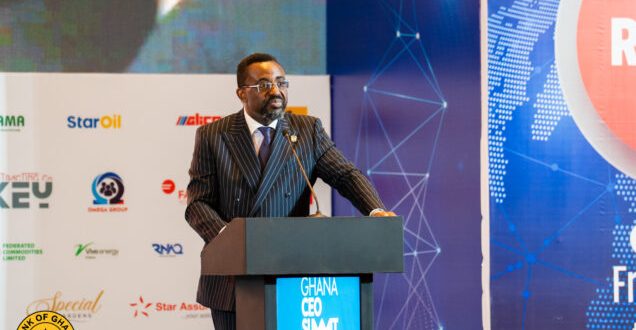
Middle East tensions cost Ghana $1.2bn in reserves – BoG governor
Bank of Ghana (BoG) Governor Dr. Johnson Pandit Asiama has revealed that Ghana’s international reserves came under significant pressure over the past three to four months due to tensions in the Middle East and wider global economic uncertainty.
Dr. Asiama said the country lost about US$1.2 billion in international reserves during the period as the central bank responded to external pressures and provided support to critical areas of the economy.
He made the disclosure during an engagement with students from the University of Ghana and the University of Ghana Business School, who participated in the Bank of Ghana’s Monetary Policy Committee Educational Observership Programme.
According to the Governor, Ghana’s gross international reserves fell from about US12.94 billion by June. The decline reduced the country’s import cover from 5.7 months to approximately five months.
Dr. Asiama described the past few months as challenging, noting that global developments had created additional demands on the country’s foreign exchange reserves.
The Middle East conflict has affected global energy prices and disrupted trade and shipping routes, creating risks for countries such as Ghana that depend heavily on imports of petroleum products.
The Bank of Ghana had earlier warned that prolonged tensions could increase imported inflation and put pressure on the cedi.
Despite the recent decline, Dr. Asiama said Ghana was in a better position to withstand external shocks because the country had built up its reserves before the latest period of uncertainty.
He stressed the need for Ghana to continue strengthening its external buffers to protect the economy from future global shocks.
The Governor identified stronger export earnings, particularly from cocoa and non-traditional exports, as important to rebuilding reserves.
He said non-traditional exports currently account for about 10 per cent of Ghana’s total exports and should be increased to 15 per cent.
He also highlighted remittances as another important source of foreign exchange, noting that Ghana receives more than US$8 billion in remittances annually.
Dr. Asiama said a greater share of these funds should be channelled into productive investments to support economic growth and strengthen the country’s reserves.
Comments (0)
No comments yet. Be the first to share your thoughts!
Initializing...
Please wait while we sync...